Boise Seating Guides
Ford Idaho Center Amphitheater: Reserved Seats vs. Lawn
Choosing between reserved seating and lawn spots at Ford Idaho Center Amphitheater can shape your entire concert experience in Nampa. This outdoor venue sits adjacent to the Ford Idaho Center Arena, an indoor space that hosts basketball games and other events requiring climate control. The amphitheater itself specializes in warm-weather concerts and shows, offering a mix of traditional theater seats and open grass areas. Your decision between these two ticket types involves more than just budget. Reserved seats guarantee you a specific spot with a clear sightline, while lawn admission offers flexibility and often a more casual atmosphere at a lower price point. Understanding what each option actually delivers helps you match your ticket choice to your priorities, whether that means avoiding crowds, getting close to the stage, or spreading out with friends on a blanket under Idaho's big sky.

Ford Idaho Center Amphitheater offers reserved seats in the fixed seating section closest to the stage and general admission lawn space behind the seats. Reserved tickets assign you a specific seat number, while lawn admission operates on a first-come, first-served basis with no assigned spots. Lawn chair policies change by event, so verify rules before your show date.
Browse Boise venues →Seating maps by layout

Amphitheater reserved and lawn map
Official reference layout. Confirm the map for your event.
Open full map ↗Sections at a glance
| Seat or layout | What to check |
|---|---|
| Reserved | Confirm assigned section, row and seat. |
| Grass GA | Unassigned lawn space is first come, first served. |
| Lawn chairs | Check the current show’s amphitheater rules. |
Understanding the Amphitheater Layout
Ford Idaho Center Amphitheater in Nampa features a straightforward design common to outdoor concert venues. The stage sits at one end, with reserved seating arranged in rows extending back from the performance area. These seats are fixed installations with backs and armrests, similar to what you would find in a traditional theater. Behind the reserved section, the lawn begins. This grassy area slopes gently upward, providing sightlines over the seated section toward the stage. Check the Ford Idaho Center Amphitheater venue page for official visitor and event information.
The separation between reserved and lawn areas is clear when you arrive. Ushers or barriers mark where the ticketed seating ends and general admission lawn begins. This matters because lawn ticket holders cannot access reserved rows, even if seats appear empty. The venue enforces these boundaries to maintain the value distinction between ticket types.
Do not confuse the amphitheater with Ford Idaho Center Arena. The arena is an enclosed facility that operates year-round for hockey, concerts, trade shows, and other events requiring indoor infrastructure. The amphitheater operates seasonally and sits outdoors with no roof or walls. When searching for events or checking policies, make sure you identify which venue hosts your specific show. Check the other Ford Idaho Center layout if your ticket names a different room.
Reserved Seating Benefits and Considerations
Reserved tickets assign you to a specific row and seat number. You receive this information when purchasing, allowing you to evaluate your location before committing. Seats closer to the stage naturally cost more, while rows farther back carry lower prices. This pricing structure lets you choose your budget-to-proximity ratio.
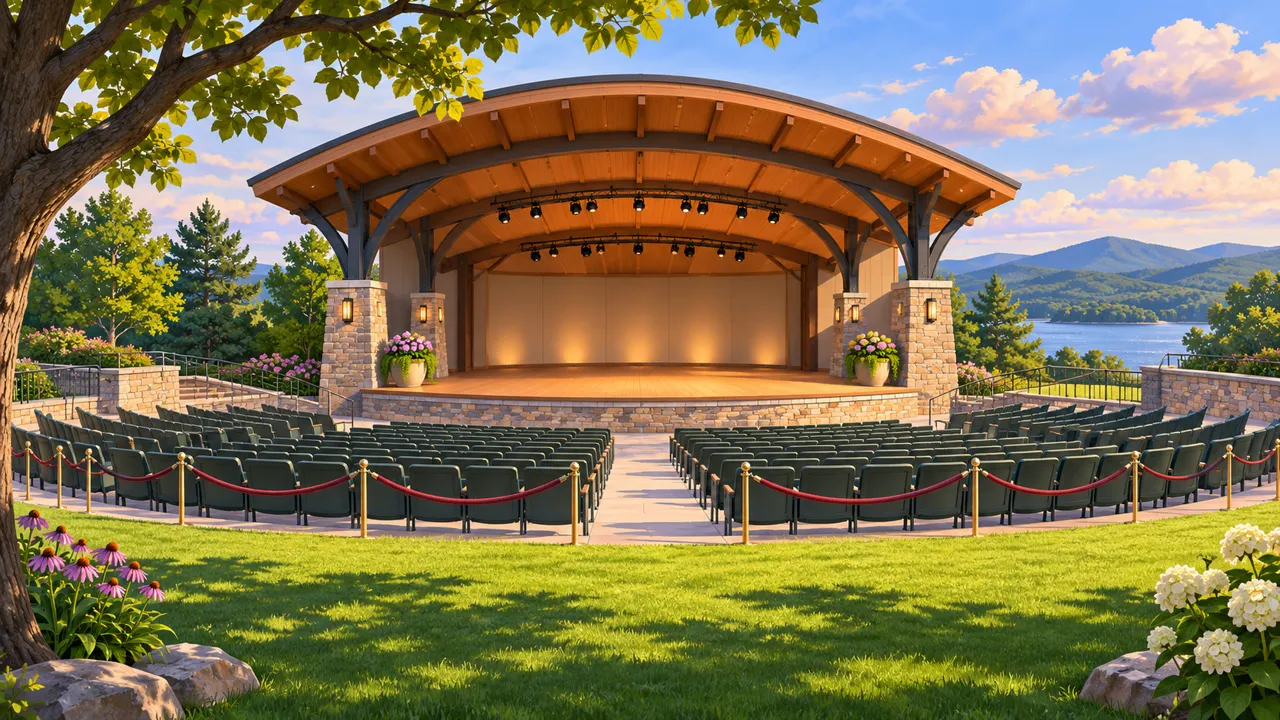
The guarantee of space is the primary advantage. You do not need to arrive hours early to claim a good spot. Your seat remains yours whether you show up when doors open or arrive just before the opening act. This flexibility benefits anyone with scheduling constraints or those who prefer dining out before a show rather than rushing to claim lawn territory.
Reserved seating also provides physical amenities. The seats include backs for support during multi-hour events. Armrests define your space and prevent crowding from neighbors. Cup holders, when present, give you a place for drinks. For anyone with mobility concerns, reserved seating eliminates the need to sit on the ground or navigate uneven grass surfaces.
The tradeoff is reduced flexibility in how you experience the show. You stay in your assigned spot. If your neighbors are loud or block your view by standing when you prefer to sit, your options for relocating are limited. The structured rows also mean less ability to move around, stretch out, or create the exact social configuration you want with your group.
Lawn Seating Reality Check
General admission lawn tickets grant you access to the grass area but no specific location within it. The first-come, first-served system means arrival time directly impacts your experience. Show up early and you can claim a spot near the front of the lawn with better sightlines. Arrive late and you might settle for a location where the stage feels distant or where trees or equipment partially obstruct your view.
Lawn admission appeals to groups who want to control their setup. You can arrange yourselves in whatever configuration makes sense, whether that means sitting in a circle to socialize, spreading out multiple blankets to create a shared space, or positioning yourselves for easy access to facilities and concessions. This freedom disappears in reserved rows where you sit single-file.
The casual atmosphere draws many fans. People walk around more freely on the lawn. Kids have room to move without disturbing fixed seating sections. The overall vibe tends to be more relaxed, with less concern about blocking views since everyone can adjust their position or stand as needed.
However, lawn tickets come with real physical demands. You sit on the ground for the duration of the show, which can be uncomfortable after an hour or two. The grass may be uneven, damp from irrigation, or hard-packed depending on weather and maintenance schedules. Bringing blankets or chairs, when permitted, mitigates these issues but requires hauling gear from the parking area.
Lawn Chair Policies That Change
Whether you can bring a lawn chair depends on the specific event you attend. Some shows allow low-profile chairs, typically defined by maximum height restrictions measured from the ground to the top of the seat back. Other events prohibit all chairs to prevent sightline obstructions for guests sitting behind chair users.
The venue and event promoters set these rules, which means you cannot assume what worked for one concert will apply to your next visit. Official event pages and confirmation emails usually specify policies, but these details sometimes appear only weeks or days before the show date. When information is unclear, contacting the box office directly provides the most reliable answer.
When chairs are permitted, restrictions often include width limits and prohibitions on armrests that extend beyond the seat frame. Organizers want to prevent individual chairs from consuming excessive space or creating barriers between groups. Bringing a compact, low-back chair gives you the best chance of compliance across different events.
Blankets generally face fewer restrictions than chairs. Most events allow you to spread a blanket on the lawn without limitations beyond basic courtesy to neighbors. A quality blanket provides a clean surface, some padding, and portability without the space demands of a chair.
Weather Preparations for Outdoor Shows
Idaho summers bring hot days and cool evenings, with temperatures often dropping significantly after sunset. A concert starting at seven in the evening might begin in eighty-degree heat and finish in the low sixties. Layered clothing lets you adapt as conditions change. Even if the forecast promises warm weather, bringing a light jacket or sweatshirt prevents discomfort during the final acts.
Sun exposure hits differently depending on where you sit. Reserved seats closer to the stage may receive shade from lighting structures or stage rigging as the sun moves. Lawn areas typically offer less shade, leaving you exposed during afternoon and early evening shows. Sunscreen, hats, and sunglasses become essential gear for lawn ticket holders who arrive early to claim spots.
The amphitheater operates without a roof, so rain affects everyone. Occasional summer thunderstorms can roll through the Treasure Valley with little warning. Ponchos pack smaller than umbrellas and avoid creating view obstructions for people around you. Check the extended forecast as your event approaches and plan accordingly, though weather predictions remain imperfect.
Wind can be a factor on the lawn, where you have no barriers. Securing blankets with weights or choosing a spot near natural windbreaks improves comfort. Reserved seat holders face less concern about gear blowing away but may still want to secure hats and light items.
Sightlines and Sound Quality Differences
Your distance from the stage changes more than just how large performers appear. Reserved sections place you closer to the primary speaker arrays, which are engineered to deliver optimal sound to those areas. Lawn sections receive sound from delay towers or secondary speakers positioned to compensate for increased distance. The audio quality is generally good throughout the venue, but the sonic experience differs based on speaker proximity and positioning.
Video screens become more important as you move farther from the stage. Many amphitheater shows include large displays flanking the stage to ensure distant audience members can see performer details and stage action. Lawn guests rely on these screens more heavily than reserved ticket holders. The trade-off is that you watch a screen more than live performers, which some fans find less engaging.
Elevation helps lawn sightlines. The upward slope means you look over the heads of people in front of you rather than directly into the back of someone's head. However, this advantage diminishes if you end up in a low spot or behind taller guests. The ability to adjust your position on the lawn partially addresses this, though popular shows may pack the lawn too tightly to move freely.
Access and Amenities for Each Section
Restroom and concession access differs between sections. Reserved seat holders typically find dedicated facilities closer to their seating area with shorter walks. Lawn guests may need to traverse more distance to reach concessions, though high-traffic shows often place additional vendors near lawn sections to reduce crowding elsewhere.
Entry procedures vary by event. Some shows direct lawn ticket holders to specific gates or entrances separate from reserved ticket paths. This routing helps manage crowd flow and reduces congestion. Your ticket or pre-event communications should indicate which entrance to use, though staff at the venue can redirect you if you arrive at the wrong gate.
Re-entry policies, when permitted, may differ by ticket type. Some events allow reserved ticket holders to leave and return while restricting lawn guest movement. Other shows prohibit all re-entry regardless of ticket type. These rules change based on artist requirements, security considerations, and event logistics. Assume no re-entry unless official sources confirm otherwise.
Making Your Choice for Specific Events
Your decision should align with the specific show you plan to attend. For artists where lyrics and vocal nuance matter greatly, reserved seats bring you close enough to catch subtle performance elements. For high-energy shows where dancing and movement enhance the experience, lawn freedom might matter more than proximity.
Group size influences the equation. Two or three people can easily coordinate reserved seats in a row. Larger groups may struggle to find adjacent seats, especially when buying tickets after initial on-sale dates. The lawn accommodates groups of any size who want to stay together, though everyone must arrive together to claim connected space.
Budget limitations make the choice simple for many fans. Lawn tickets cost significantly less than reserved seats, allowing you to attend more shows throughout a season or bring additional friends for the same total spending. The value proposition of lawn admission is strong if you accept the comfort and proximity trade-offs.
Physical needs matter more than many fans initially consider. If standing and sitting on grass causes pain or difficulty, the higher cost of reserved seating delivers necessary accessibility. The money spent becomes worthwhile when it prevents physical discomfort from ruining an otherwise enjoyable show. Evaluate your own needs honestly rather than defaulting to the cheapest option available. To compare other local layouts, use the Boise seating chart directory. If the show you're considering is in Boise, the concert calendar by month helps you compare dates at venues in the Boise catalog. If you are planning a separate night out in Boise, use the Boise events calendar to see what else is on.
Before you head out
Questions, answered
Can I move from the lawn to empty reserved seats during the show?
No. Venue staff enforce the separation between lawn and reserved sections throughout events. Empty reserved seats remain off-limits to lawn ticket holders regardless of whether anyone claims them. Attempting to move into reserved areas can result in removal from the venue. Details ↗
What happens if weather forces cancellation or delays?
Cancellation and delay policies depend on the specific event promoter and artist contract rather than the venue itself. Some shows postpone and honor existing tickets for rescheduled dates, while others may offer refunds. Official communications from the ticket seller provide guidance when weather impacts scheduled performances. Details ↗
Are lawn tickets worth it for sold-out popular shows?
Lawn experiences vary dramatically based on crowd size. Sold-out shows pack the lawn tightly, limiting your ability to move, adjust position, or claim optimal spots unless you arrive very early. For high-demand events, the lawn can feel crowded and distant. Reserved seats provide more consistent experiences at popular shows despite higher cost. Details ↗
Sources & References
Event details and visitor information checked 2026-11-05. Check the venue's current guidance before you travel.