Boise Seating Guides
Ford Idaho Center Arena Concert Seating Guide
The Ford Idaho Center Arena in Nampa offers a versatile concert venue that adapts its seating layout based on each performance. Unlike the outdoor Ford Idaho Center Amphitheater or the equestrian-focused Horse Park that share the same complex, the indoor arena hosts concerts, family shows, and sporting events year-round with climate-controlled comfort. Understanding the different seating configurations helps you choose the right tickets for your experience preferences and budget. Each show uses a specific layout, so checking the official seating chart when tickets go on sale ensures you know exactly where your seats are located. The arena can transform from a full-capacity setup to a more intimate half-house arrangement depending on the artist and production requirements.

Check the show-specific seating chart when buying tickets, as the Ford Idaho Center Arena uses multiple configurations including Arena Seating, Arena End Stage, and Arena Half House layouts that vary by event. Floor sections and bowl seating change based on stage placement, so seat labels and views differ from show to show.
Browse Boise venues →Seating maps by layout


Sections at a glance
| Seat or layout | What to check |
|---|---|
| End stage | Locate the stage before comparing opposite and side sections. |
| Half house | Check which part of the bowl the event uses. |
| Event-specific chart | Match the date and ticket section to this map. |
Understanding Arena Configurations
The Ford Idaho Center Arena operates differently from a fixed-seat theater because the space reconfigures for each event. When you search for tickets, the configuration matters more than memorizing a single seating chart. Arena Seating typically indicates a central stage with seating surrounding all sides, creating an in-the-round experience. Arena End Stage places the performance area at one end of the venue with the audience facing one direction. Arena Half House uses curtains or other methods to close off portions of the upper bowl, creating a smaller footprint for shows that do not require full capacity. Check the Ford Idaho Center Arena venue page for official visitor and event information.
This flexibility means a section name from one concert might not exist at another show. The seating chart published for your specific event is the only reliable guide. Show promoters and the venue release these charts as tickets go on sale, and they include the actual section names and layouts you will encounter. Trying to use information from a different concert leads to confusion because stage locations change and entire seating areas may be unavailable or reconfigured. Check the other Ford Idaho Center layout if your ticket names a different room.
Distinguishing the Arena from Other Ford Idaho Center Venues
The Ford Idaho Center complex includes multiple separate venues that create confusion for first-time visitors. The Arena is the enclosed indoor facility where most concerts take place during fall, winter, and spring months. The Amphitheater is an outdoor venue used primarily for summer concerts and events, featuring a different layout with lawn seating and reserved seats under a permanent roof structure. The Horse Park hosts rodeos, equestrian competitions, and agricultural events in a specialized facility designed for those activities.
When purchasing tickets, verify which venue hosts your event. Concert listings should specify whether the show takes place at the arena or amphitheater. The two venues have completely different seating arrangements, capacities, and experiences. Arena shows offer protection from weather and acoustics designed for indoor performances. Amphitheater events provide an open-air atmosphere but depend on favorable weather conditions. Checking your confirmation email for the specific venue name prevents showing up at the wrong location on event day.
Floor Seating Characteristics
Floor sections sit on the arena floor itself, placed on temporary platforms that get installed for each concert configuration. These sections offer the closest proximity to the stage in most layouts. The specific arrangement of floor sections changes based on where the stage is positioned and how the production team designs the floor plan. Some shows feature floor sections arranged in a grid pattern extending back from the stage. Others might angle sections to improve sightlines or create aisles for crowd flow.
The trade-off with floor seating involves being at eye level or below the stage rather than having an elevated view. If you are shorter or attending with children, seeing over standing crowds can be challenging in general admission floor areas. Reserved floor seats typically allow you to remain seated, though crowds often stand during high-energy performances regardless of seating type. Floor sections closer to the stage command premium prices but deliver an immersive experience where you can see facial expressions and feel the energy of performers up close. Sections farther back on the floor may cost less while still providing proximity that bowl seating cannot match.
Bowl Seating Overview
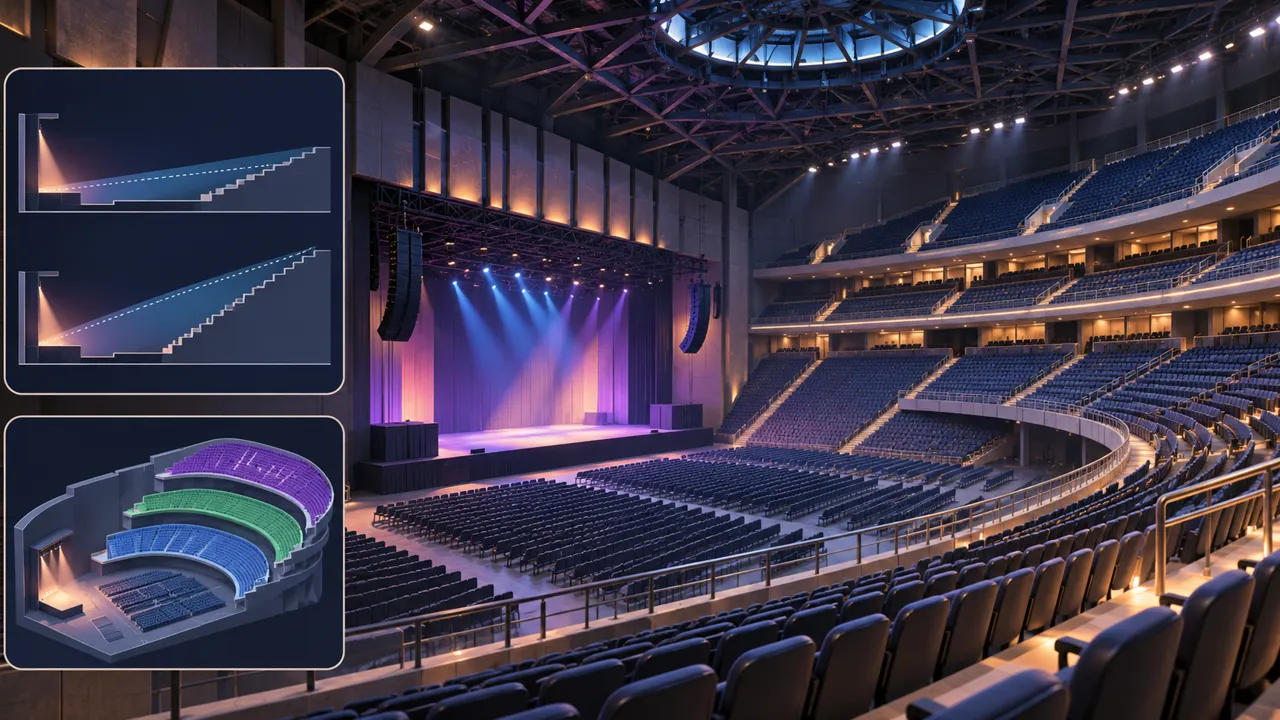
The permanent seating bowl surrounds the arena floor, rising in tiers that provide elevation and sightlines over the floor sections. Bowl seats remain in place year-round, offering consistent legroom and seat width compared to temporary floor installations. The elevation of bowl seating gives you a complete view of the stage setup, lighting effects, and video screens that might be partially blocked from certain floor locations.
Lower bowl sections sit closer to the arena floor and provide better detail of performers while maintaining the elevated advantage. Upper bowl sections trade some detail for a wider perspective of the entire production. For concerts with elaborate staging, pyrotechnics, or choreography, upper bowl seats let you appreciate the full scope of the show rather than focusing only on the performers. The acoustic experience in bowl seating tends to be more balanced than extreme floor locations where you might be too close to certain speakers or instruments.
Reading Event-Specific Seating Charts
When tickets go on sale, the official seating chart for that particular event becomes available through ticketing platforms and the venue website. This chart shows exactly which sections exist for the show, where they are positioned relative to the stage, and how sections are labeled. The interactive features on most ticketing websites let you click on sections to see the view from that area and check availability.
Pay attention to stage location markers on the chart. An end-stage configuration places the performance area at one end, making sections directly behind the stage unavailable or undesirable. Side sections in an end-stage setup offer angled views that some people prefer while others find less appealing. Central sections facing the stage directly typically cost more because of the straight-on perspective. For Arena Seating configurations with a central stage, sections on all sides have value, though some artists favor performing toward certain directions more than others during the show. Use the concert seating chart walkthrough to match the labels in a ticket listing to its event-specific layout.
Making Configuration-Based Decisions
Your seating choice should reflect both the configuration and the type of performance you are attending. High-energy pop or rock concerts often inspire audiences to stand and move throughout the show, making floor sections ideal if you want to be part of that atmosphere. Acts with a more intimate or acoustic style might be better enjoyed from bowl seating where you can sit comfortably and focus on musicianship without crowd movement affecting your experience.
Half-house configurations create a more intimate environment by reducing capacity and bringing upper sections closer to the action through curtaining off far sections. These shows can make upper bowl seats feel more connected to the performance than they would in a full-capacity arena setup. The reduced echo and tighter audience arrangement often improve acoustics compared to a sparsely attended full-capacity show. When you see a half-house chart, consider that upper sections still available might offer better value than usual because the overall space feels smaller and more engaged.
Accessibility and Amenity Considerations
Accessible seating locations appear on event-specific charts with designated markers. These sections include space for wheelchairs and companion seating, positioned throughout both floor and bowl areas. The venue provides these locations at various price points to ensure access across different budget ranges. When selecting accessible seating, the chart shows exact placement so you can choose locations that match your view preferences and proximity desires.
Restroom and concession locations remain consistent regardless of seating configuration, with facilities accessible from both floor and bowl levels. Bowl seating provides easier access to permanent amenities built into the arena structure. Floor sections might require walking farther or navigating temporary aisles to reach facilities. Consider your priorities regarding easy access to amenities versus proximity to performers when weighing options between floor and bowl locations.
Practical Tips for Nampa Location
The venue sits in Nampa rather than Boise proper, requiring about a 25-minute drive from downtown Boise under normal traffic conditions. This location affects your planning for arrival time and transportation arrangements. Parking lots surround the arena complex, and the facility is designed for vehicle access rather than public transit options. Building in extra travel time accounts for traffic that builds before popular events as many attendees arrive from Boise and surrounding communities.
The arena climate control keeps the interior comfortable year-round, but Idaho weather during winter months means preparing for cold temperatures when walking from parking areas. The distance from downtown Boise also means fewer nearby dining options compared to a central urban venue, so planning to eat before you arrive or relying on venue concessions helps avoid scrambling for food options. Bringing layers you can remove lets you adjust to the indoor temperature regardless of outdoor conditions when you arrive. To compare other local layouts, use the Boise seating chart directory. If you are planning a separate night out in Boise, use the Boise events calendar to see what else is on.
Before you head out
Questions, answered
Does the Ford Idaho Center Arena always use the same seating layout?
No, the arena uses different configurations depending on each event. Arena Seating, Arena End Stage, and Arena Half House are common layouts, but the specific arrangement varies by show. Always check the seating chart for your particular event rather than relying on charts from previous concerts. Details ↗
What is the difference between the Arena and Amphitheater at Ford Idaho Center?
The Arena is an enclosed indoor venue used year-round for concerts and events with climate control and permanent bowl seating. The Amphitheater is a separate outdoor venue on the same complex, primarily used for summer concerts with a different layout including lawn seating and an open-air environment. Details ↗
Are floor seats always better than bowl seats for concerts?
Floor seats provide closer proximity to performers but you are at stage level or below, which can limit views if crowds stand or if you are shorter in height. Bowl seats offer elevation for unobstructed sightlines and a fuller view of production elements. The best choice depends on whether you prioritize closeness and energy or comfort and complete stage visibility. Details ↗
Sources & References
Event details and visitor information checked 2026-11-05. Check the venue's current guidance before you travel.