Boise Seating Guides
Idaho Central Arena Seating Guide for Steelheads Games
Idaho Central Arena in downtown Boise serves as home ice for the Idaho Steelheads, the ECHL affiliate that brings professional hockey to the Treasure Valley throughout the winter season. Understanding the seating layout helps you choose the right spot for watching fast-paced hockey action. The arena offers multiple viewing angles, from ice-level seats that put you close to the boards to elevated sections that provide a wider perspective of play development. Your seating choice affects how you track the puck, whether you feel the intensity of body checks against the glass, and how well you can follow both offensive rushes and defensive positioning. This guide walks through the various seating zones at Idaho Central Arena specifically for Steelheads games, explaining what each location offers so you can make an informed decision based on your hockey-watching preferences and budget considerations.

Compare sections 103 and 113 near center ice, or 203 and 212 for an elevated view near the middle. For a view straight down the rink, compare 108 and 118 behind opposite goals.
Explore the Idaho Central Arena venue guide →Seating maps by layout

Idaho Steelheads hockey seating chart
Official team chart showing numbered sections around the ice.
Open full map ↗Idaho Central Arena 360-degree tour
Explore the rink from inside the arena before choosing a section.
Open full map ↗Sections at a glance
| What you want | Sections to compare | What to expect |
|---|---|---|
| Lower-level center ice | 103, 113 | A side-on angle for following both ends. |
| Elevated center ice | 203, 212 | A higher angle for seeing passing lanes. |
| Behind the goal | 108, 118 | A view down the length of the rink. |
| Diagonal corner view | 107, 109, 117, 119 | A closer angle on play along the boards near that end. |
Which numbered sections should you compare?
Start with lower sections 103 and 113 if you want to follow the puck from end to end. They sit across from each other near center ice on the official Steelheads chart. On the upper level, compare sections 203 and 212 for a similar angle with more elevation. These are good sections to check if you want to see passing lanes and both blue lines without turning as much. Start with upcoming Idaho Central Arena events to find the exact Steelheads date you want.
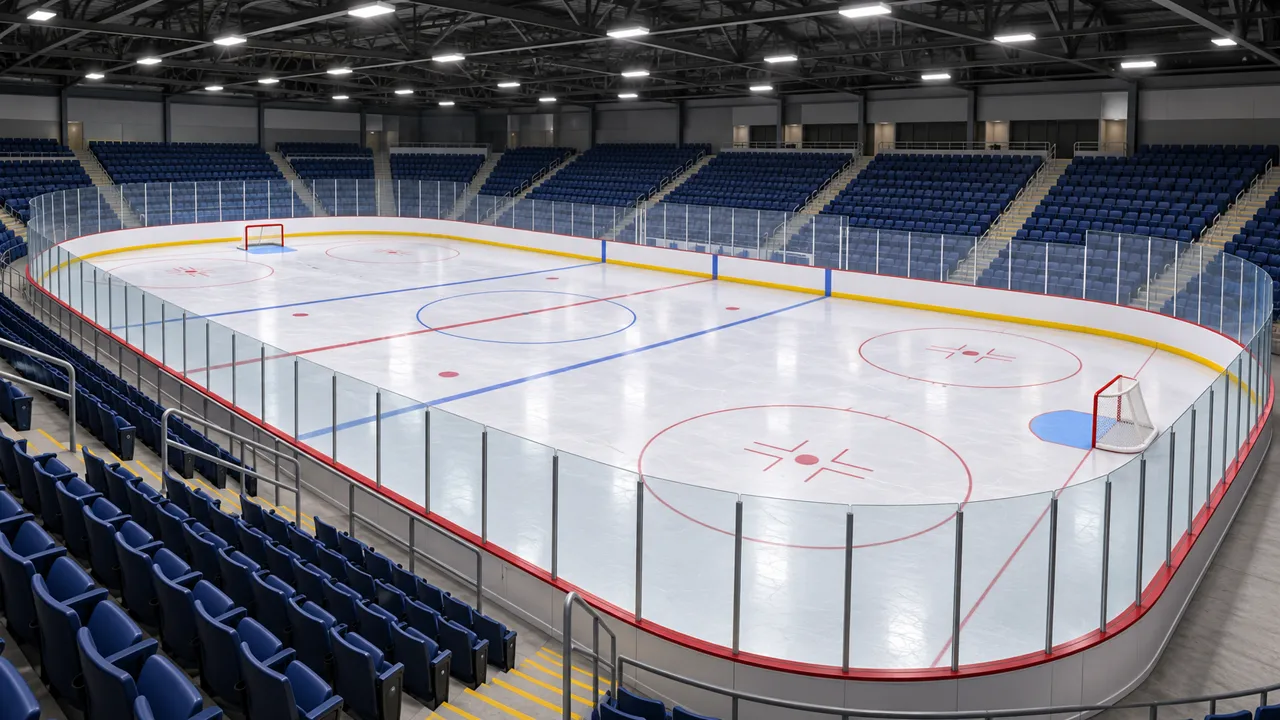
Sections 108 and 118 sit behind opposite goals in the lower level. Compare them if you want to watch plays develop down the length of the rink. For a diagonal view, sections 107 and 109 flank the 108 end, while 117 and 119 flank the 118 end. A corner seat gives you a closer look at battles along the boards near that goal, with a longer view to the far end.
The same lower section can feel different near the glass and farther back. If you are comparing two listings in section 113, a lower row puts you closer to the play along the boards, while a higher row is worth checking if your priority is following the puck across the ice. Use the team-linked panorama to get a feel for the bowl and the exact game map to confirm row and seat labels.
The team chart identifies sections but does not label individual rows or seats. Open the listing for your exact date to check those details and whether seats are adjacent. If you need wheelchair or companion seating, contact the Idaho Central Arena box office before buying. For other games around town, the Boise seating chart directory links to the relevant arena and stadium layouts.
If the same opponent appears on several dates, the Steelheads resale ticket guide explains what to match before buying.
Arena Layout and Hockey Configuration
Idaho Central Arena configures seating in a bowl arrangement surrounding the ice surface, with sections divided into lower bowl closer to ice level and upper sections at steeper elevation. The ECHL confirms this venue as the official home for Idaho Steelheads games, and the facility arranges seating to accommodate hockey-specific viewing needs. Unlike basketball or concerts, hockey uses the full playing surface continuously, with action shifting rapidly from one end to the other.
The seating map divides sections numerically around the arena perimeter. Sections run consecutively as you move around the bowl, allowing you to identify location relative to center ice or the nets based on section numbers. The arena does not designate specific sections as attacking or defending zones because teams switch ends between periods, meaning every seat experiences both offensive and defensive action from your preferred team.
Understanding that you cannot predict which net the Steelheads will attack in any given period helps clarify why balanced sightlines matter more than proximity to one particular goal. What looks like the perfect offensive zone seat for period one becomes a defensive zone view after the intermission.
Center Ice Seating Advantages
Sections positioned at center ice along the sides provide the most traditional hockey viewing experience. These locations sit perpendicular to the length of the rink, giving you equal sightlines to both goals. You can watch plays develop through the neutral zone, see passing lanes open and close, and track rush patterns as teams transition between offense and defense.
Center ice seats work particularly well if you want to understand team systems and positional play. Coaches often watch from similar angles because this perspective shows spacing between players and reveals strategic decisions. You can see when forwards collapse low for defensive coverage or when defensemen pinch along the boards to keep plays alive in the offensive zone.
The main tradeoff involves distance from the most exciting scoring chances. When play concentrates in one end during sustained pressure, center ice seats place you farther from the net than corner or end zone sections. You gain perspective but sacrifice some goal-mouth intensity. For fans who appreciate the full scope of hockey beyond just goals, this exchange often proves worthwhile.
See the venue or show in context
This local news clip gives you a look at the Steelheads’ home setting. Use the team’s chart for the exact view and section you want to compare.
Upcoming events to compare
Open an event to check its date and see the seating information for that performance or game.


Idaho Steelheads at Idaho Central Arena
Corner Section Perspectives
Corner sections angle toward one end of the ice while maintaining partial views of the opposite goal. These seats offer a practical middle ground between center ice balance and end zone proximity. When play develops in the near end, you get relatively close sightlines to scoring chances, board battles, and netfront scrambles. When action shifts to the far end, you still maintain adequate viewing angles, though at greater distance.
Corner locations excel for watching certain aspects of hockey that center ice seats cannot capture as clearly. You get better angles on plays that develop along the boards in the near corners, including puck retrievals, cycle patterns in the offensive zone, and physical battles for position. Defensemen making plays from below the goal line appear more clearly than they would from center ice.
These sections frequently offer better value than center ice while delivering worthwhile viewing experiences. The slight angle does not significantly compromise your ability to follow play, and you benefit from closer proximity to half the ice. For fans attending multiple games throughout the season, corner seats provide solid consistency without premium pricing.
Behind the Net Considerations
Sections directly behind each goal put you close to one net while placing the opposite goal at maximum distance. These spots create a split viewing experience across the three periods. During periods when your nearby net receives action, you watch goals, saves, and netfront battles from a unique perspective. When play concentrates at the far end, you see action from behind the offensive push, watching plays develop as teams attack away from you.
The behind-net angle reveals different elements than side views. You can judge shot angles more clearly, see how goalies position themselves to cut down shooting lanes, and watch forwards jockey for screening position or deflection opportunities. Defensive zone clears and breakout passes also display differently from this perspective.
This location works best if you value intensity and proximity over balanced sightlines. You sacrifice the ability to watch the entire game from an optimal angle, but you gain unique viewpoints that side sections cannot match. Some fans enjoy the variety of rotating perspectives across periods, while others prefer consistency throughout the game.
Glass Seats Versus Elevated Rows
Within lower bowl sections, proximity to ice level creates significant viewing differences. Seats at glass level put you immediately adjacent to the playing surface with only transparent barriers between you and the action. Players crash into the boards directly in front of you, and you hear the sounds of hockey at full volume. The puck moves at eye level or below, creating an immersive experience.
The intensity of glass seats comes with practical tradeoffs. You must move your head continuously to track play as the puck moves across the ice. When action develops on the far side, players and officials can block your view. Following the puck during quick transitions requires more effort than it does from elevated positions. You experience maximum excitement but minimum perspective.
Elevated rows in the lower bowl, even just several rows up, change the viewing dynamic substantially. You gain downward angle on the ice, making it easier to see the entire surface and track play without obstruction. The puck remains visible during most situations, and you can anticipate plays developing before they reach your section. You lose some intensity and the feeling of being part of the action, but you gain the ability to watch hockey as a complete game rather than fragmented moments.
Upper level sections extend this elevation further, providing bird's eye views of the full ice surface. You can see all ten skaters simultaneously, understand team formations, and never lose sight of the puck. The distance reduces your ability to see facial expressions or read jersey numbers clearly, and body checks lack the visceral impact they carry at ice level. Many experienced hockey fans appreciate upper sections for this strategic perspective, particularly at lower price points.
Following the Puck From Different Locations
Puck visibility drives much of the seating decision for hockey games. The small black disc moves at high speed across white ice, sometimes becoming difficult to track depending on your sightline. Lower angles at glass level mean the puck frequently travels at or below your eye line, occasionally disappearing behind boards or players. Higher elevations provide clearer puck tracking because you look down on the ice surface.
Side sections at center ice or in the corners allow you to track the puck as it moves along the length of the ice, though cross-ice passes can be harder to follow. Behind-net sections reverse this dynamic, making passes that move toward or away from you easier to see while lateral puck movement requires more attention. Each angle presents different tracking challenges.
Fans new to hockey often benefit from elevated seating where puck visibility remains consistent. Once you develop the ability to anticipate where the puck will go based on player positioning, lower seats become more viable because you can predict play development rather than purely reacting to puck location. If you also go to Broncos basketball, the ExtraMile basketball guide explains how sideline and baseline angles differ from rink views.
Repeat Attendance and Seat Selection
The Steelheads play multiple home games against division opponents throughout the ECHL season, with certain teams visiting Boise several times. If you plan to attend multiple games, varying your seating location provides different perspectives on the same team matchups. Watching a rivalry game from behind the net delivers a different experience than viewing the rematch from center ice.
Season ticket holders typically occupy consistent seats, which builds familiarity with specific viewing angles and neighboring fans. Single-game attendees have flexibility to experiment with different sections across multiple visits. Neither approach is superior, they simply serve different preferences regarding consistency versus variety.
Certain opponents and game dates may influence seating strategy. Weekend games or matchups against nearby rivals sometimes draw larger crowds, potentially affecting availability in preferred sections. Weeknight games against distant opponents might offer more selection. The quality of the viewing experience depends more on seat location than opponent, though atmosphere can vary by attendance levels.
Accessibility and Box Office Information
The arena accessibility page directs those requiring accessible seating to contact the arena box office directly for ticket purchases. This ensures proper accommodation and allows staff to address specific accessibility needs for individual situations. Accessible seating integrates into various sections throughout the venue rather than limiting options to a single area.
When selecting seats for Steelheads games, consult the specific seating map for hockey configuration. The arena hosts multiple event types, and seating arrangements can differ between hockey, basketball, concerts, and other events. Verify you are viewing the hockey-specific layout to understand section locations relative to the ice surface.
The box office can answer questions about specific row elevations, sightline obstructions if any exist, and other detailed seating characteristics that general maps may not convey. Direct communication helps ensure your selected seats meet your expectations for a particular game. See the Boise accessible seating guide for questions to ask about companion seating and the route to your section. Check the Boise events calendar to confirm the date and venue before comparing seats.
Before you head out
Questions, answered
Do the Steelheads attack the same net for the entire game?
No, teams switch ends after each period in hockey. The Steelheads attack one net during the first period, switch to the opposite net for the second period, then return to the original net for the third period. This means every seat location experiences both offensive and defensive action regardless of where you sit. Details ↗
Can you see the puck clearly from upper level seats?
Yes, upper level seats often provide better puck visibility than lower sections because the elevated angle gives you a downward view of the ice surface. The puck remains visible during most play situations, though you sacrifice proximity and intensity. Many fans prefer this perspective for following game flow and understanding team strategies. Details ↗
How should I buy accessible seating for Steelheads games?
The arena accessibility page directs accessible seating purchases to the arena box office. Contact the box office directly rather than purchasing through general ticketing to ensure proper accommodation and discuss specific accessibility requirements for your situation. Details ↗
Sources & References
Event details and visitor information checked 2026-11-05. Check the venue's current guidance before you travel.

