Boise Seating Guides
Morrison Center Seating Map & Section Guide
The Morrison Center for the Performing Arts stands as Boise's premier venue for world-class entertainment, hosting everything from Broadway touring productions to symphony performances and contemporary dance. Understanding the seating layout helps you choose tickets that match both your budget and the type of performance you plan to attend. The venue features two distinct performance spaces. The Main Hall accommodates larger productions with orchestra and mezzanine seating sections, while the more intimate Danny Peterson Theatre serves smaller shows and experimental works. Each seating area offers different advantages depending on whether you're watching a musical, listening to an orchestra, or attending a spoken word performance. The official Morrison Center seating chart provides a visual reference for the stage configuration and section locations, though the specific experience varies considerably based on your seat selection and the nature of the performance.

Morrison Center's Main Hall divides into orchestra level seating and an upper mezzanine, with center orchestra seats offering the best overall sightlines for musicals and dance while mezzanine center provides excellent value for orchestral concerts where elevated perspectives enhance the acoustic experience.
Explore the Morrison Center venue guide →Seating maps by layout

Sections at a glance
| View or access need | Rows and seats | What to check |
|---|---|---|
| Near-center main floor | Row H or L, seats 24–26 | Row H is closer to the stage. |
| Near-center mezzanine | Row A, seats 26–28, or Row C, seats 27–29 | Compare the front row with a position two rows back. |
| Wheelchair seating | Main Floor Row I or Mezzanine Row E | Confirm the route and companion seating with the box office. |
| Marked obstructions | Mezzanine Row K, seats 1, 2, 54 and 55 | The official chart flags these seats as obstructed. |
Exact Main Hall rows and seats to compare
Start with Main Floor Row H, seats 24–26, or Row L, seats 24–26, for positions near the centerline on the official map. Row H puts you closer for facial expressions. Row L gives you a few more rows of distance if you want to take in the staging. Check that your listing says Main Floor because the mezzanine uses some of the same row letters. Browse upcoming Morrison Center performances to match those rows to the production and date you want.
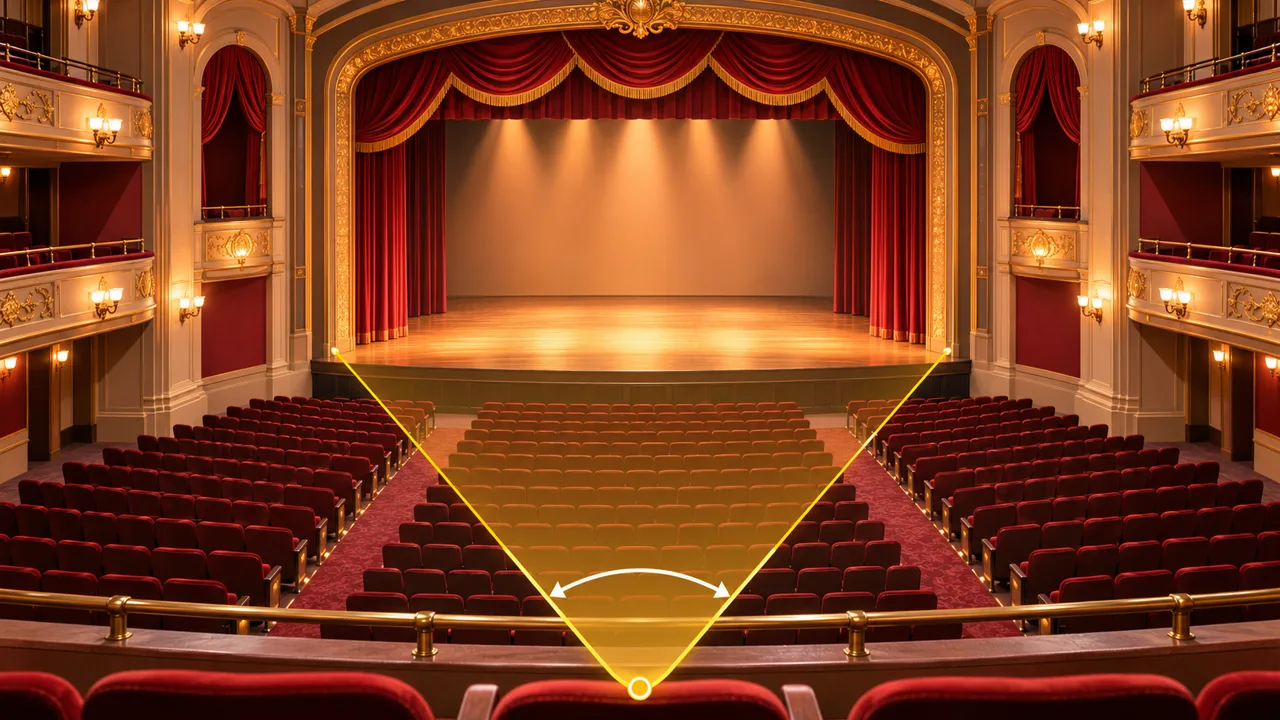
For a higher angle, compare Mezzanine Row A, seats 26–28, with Row C, seats 27–29. Both ranges sit near the middle of their rows. The official chart aligns the front of the mezzanine vertically with Main Floor Row T, a useful reference if you’re comparing front mezzanine with rear orchestra.
Main Floor Row AA comes before Row A. The orchestra pit is separate, with optional rows A, B and C. The chart shows 18, 20 and 22 pit chairs respectively. Check whether the pit is set up for audience seating for your performance. If your ticket says Danny Peterson Theatre, use that room’s visitor guide for the entrance and seating details.
The venue flags Mezzanine Row K seats 1, 2, 54 and 55 as obstructed view. It lists wheelchair seating in Main Floor Row I and Mezzanine Row E, with additional companion seating in Floor Row K and Mezzanine Row G. Entries 1, 11 and 12 offer stair-free access from the lobby. Contact the box office to confirm the best route for your seat.
For touring musicals, the Broadway in Boise ticket guide explains how to compare single shows, packages and resale listings.
Main Hall Orchestra Section Layout
The orchestra level forms the main seating area on the ground floor of the Main Hall, extending from the stage back toward the rear of the auditorium. This section typically gets divided into left, center, and right subsections, with the center orchestra considered premium seating for most performances. The floor gently slopes upward as you move away from the stage, providing reasonable sightlines even from further back.
For Broadway musicals and touring productions, center orchestra seats place you at an ideal distance to appreciate both the choreography and facial expressions of performers. You can see the full stage picture without excessive neck movement, and the sight lines remain largely unobstructed. Side orchestra sections work well for these productions too, though extreme side seats may require you to lean slightly for optimal views of stage-left or stage-right action.
The acoustic qualities of orchestra seating shine during symphonic performances, where you sit closer to the musicians and experience the immediate power of the instruments. However, some audience members actually prefer the mezzanine for orchestral concerts because the elevated position allows the sound to blend more completely before reaching your ears. This becomes a matter of personal preference rather than a clear superior choice.
Mezzanine Level Advantages
The mezzanine rises above the orchestra section, offering a bird's eye perspective of the stage and performance space. This elevated vantage point fundamentally changes how you experience different types of shows. The mezzanine typically features its own left, center, and right designations, mirroring the orchestra layout below.
Dance performances and ballet productions often look spectacular from mezzanine seats because you can observe the full geometric patterns and formations that choreographers create. When dancers move in synchronized groups or create visual shapes on stage, the elevated angle reveals these artistic choices more clearly than an orchestra-level view where performers in front may block those behind them.
Center mezzanine seats for symphonic concerts provide what many music enthusiasts consider the sweet spot for acoustic perfection. The sound from various instrumental sections travels upward and combines naturally, giving you a balanced audio experience. String, brass, woodwind, and percussion voices reach you in proper proportion. Front mezzanine rows bring you close enough to still see individual musicians and their techniques, while back mezzanine rows trade some visual detail for continued strong acoustics at potentially lower prices.
See the venue or show in context
If you’re planning an intermission break, the venue’s renovation video gives you a look at its updated public restrooms.
Upcoming events to compare
Open an event to check its date and see the seating information for that performance or game.


Morrison Center visitor facilities renovation
Choosing Seats for Musical Theater Productions
Broadway shows and musical theater productions demand seats where you can see both grand ensemble numbers and intimate character moments. Center orchestra seats in the middle rows typically deliver the best overall experience, placing you close enough to connect emotionally with performers while maintaining a full view of the stage width.
Many musicals use the full depth and width of the performance space, with important action occurring at various heights and locations. Sitting too close can force you to turn your head frequently or miss elevated staging elements. Sitting too far back or too high can distance you from the energy and emotional subtleties that make live theater compelling. The middle ground usually wins.
Side orchestra and side mezzanine sections remain perfectly viable for musicals, particularly if budget considerations matter. Professional touring productions account for a wide audience spread and stage action to play well from multiple angles. You might miss small background details that center seats catch, but the main narrative moments and musical numbers will come through clearly. Some people actually appreciate a slightly angled view because it adds depth and dimension to the stage picture.
Orchestral Concert Seating Considerations
Symphony performances and classical music concerts present different priorities than theatrical productions. Visual elements matter less than sonic quality, though watching skilled musicians perform certainly enhances the experience. The Boise Philharmonic and visiting orchestras configure themselves across the stage width, creating a sound field that projects outward and upward into the hall.
Front orchestra seats put you close to the action where you can watch the conductor's gestures and see individual instrumentalists at work. This proximity appeals to music students and enthusiasts who want to study technique. However, the sound may feel unbalanced because you sit closer to front-positioned instruments like violins and cellos while French horns and percussion project from further back.
Mezzanine center sections offer what acousticians often describe as the optimal listening position in traditional concert halls. The sound reaches you after the various instrumental voices have combined in the air, creating a natural mix. You sacrifice some visual intimacy with the performers but gain audio quality that lets you hear the music as a complete artistic statement rather than a collection of separate sources. Back orchestra and front mezzanine sections provide middle-ground options that balance visual and acoustic factors reasonably well.
Sightlines for Dance and Ballet
Ballet and contemporary dance performances benefit from elevated viewing angles that reveal floor patterns and spatial relationships. When twelve dancers execute synchronized movements or a corps de ballet creates geometric formations, a raised perspective shows you the complete picture that the choreographer intended.
Mezzanine seating for dance shows lets you see the full stage floor as a canvas where movement creates art. You notice how dancers use the entire space, how they relate to each other spatially, and how group compositions form and dissolve. Orchestra seats can place you too low to appreciate these overhead patterns, particularly during large ensemble pieces.
That said, certain intimate solo performances or pas de deux work beautifully from orchestra seats where you can observe the incredible athleticism and control that professional dancers possess. Watching a ballerina execute perfect pirouettes or a modern dancer move through floor work becomes more visceral and impressive when you sit closer. The ideal seat choice depends partly on the specific production and whether it emphasizes large ensemble work or features solo and small group performances. The Egyptian Theatre seating guide provides another comparison of main-floor and elevated views in Boise.
Spoken Word and Comedy Performance Seating
Lectures, spoken word events, and comedy performances remove music and dance from the equation, making clear sightlines and speech intelligibility the top priorities. You want to see the speaker's face and hear every word without strain. Center orchestra seats in the front half of the section typically serve these needs best.
The Morrison Center's acoustics ensure that spoken voices carry well throughout the Main Hall, so even back orchestra and mezzanine seats work adequately for talks and presentations. However, seeing facial expressions and body language adds significantly to the experience, particularly for comedy where timing and physical gestures contribute to the humor.
For these performance types, the side sections pose fewer disadvantages than they might for visually complex productions. A single speaker or small panel typically positions themselves center stage where they remain visible from most audience locations. Distance becomes more important than angle, making front and middle rows of any section preferable to rear rows.
Danny Peterson Theatre Differences
The Danny Peterson Theatre operates as a completely separate performance space within the Morrison Center building, designed for smaller productions and more experimental works. This intimate venue holds substantially fewer audience members than the Main Hall, creating a different relationship between performers and spectators.
The reduced scale means every seat offers relatively close proximity to the stage. You lose the grand production values possible in the Main Hall but gain an immediacy and connection that works beautifully for chamber music, small theatrical productions, solo performances, and developing artists. The seating configuration can sometimes be adjusted based on the specific production needs.
When choosing between a Main Hall show and a Danny Peterson Theatre performance, consider the type of experience you want. Blockbuster touring productions and full symphony concerts require the Main Hall's capacity and technical capabilities. Emerging artists, experimental theater, intimate musical performances, and community productions often find their ideal home in the Danny Peterson Theatre where the smaller scale becomes an asset rather than a limitation.
Reading the Official Seating Chart
The Morrison Center provides official seating charts that display the stage location and the arrangement of orchestra and mezzanine sections. These diagrams help you visualize where a specific seat places you in relation to the performance area. The charts indicate section designations and show the general curvature and orientation of seating rows.
When reviewing these charts before purchasing tickets, pay attention to how far left or right a section extends and how many rows separate it from the stage. The charts give you spatial awareness but cannot fully convey what you'll actually see from a particular seat. Factors like the height of people sitting in front of you and the specific staging choices for a given production affect your actual experience.
Use the seating chart as a starting point for understanding the venue layout, then consider the type of performance and your personal preferences. Someone who values being close to the action might choose front orchestra despite a slightly off-center position, while another person prioritizes perfect center alignment even if it means sitting further back. Neither choice is objectively wrong. The chart empowers you to make an informed decision based on what matters most for your particular visit. The Boise accessible seating guide covers where to confirm companion seats and step-free entry. Once you know the layout you want, find the exact performance on the Boise events calendar and check the map for that date.
Before you head out
Questions, answered
Which seats offer the best value for families attending Morrison Center shows?
Side orchestra and side mezzanine sections typically cost less than center seats while still providing good views of most performances. For musicals and theatrical productions where you want reasonable proximity to the stage, side orchestra represents solid value. For symphony concerts where acoustics matter more than close visual contact, center mezzanine often delivers premium sound quality at mid-range prices. Details ↗
Does the mezzanine feel too far from the stage for Broadway shows?
Front and center mezzanine seats work well for Broadway productions, offering a full view of the stage with good perspective on choreography and large ensemble numbers. You trade some intimacy and emotional connection for a complete visual picture. Back mezzanine rows do create more distance, which some people find diminishes the live theater experience while others appreciate the comprehensive view and often lower ticket prices. Details ↗
Can you see well from orchestra seats on the far sides?
Far side orchestra seats provide adequate views for most Morrison Center performances, though you may need to angle slightly toward center stage. Professional productions account for wide audience positioning, and important action typically occurs in visible areas. Extreme side seats in the very front rows can create challenging angles where you miss some stage areas, making middle and rear side orchestra seats better choices than front side locations. Details ↗
Sources & References
Event details and visitor information checked 2026-11-05. Check the venue's current guidance before you travel.
