Boise Seating Guides
Shrine Social Club Ballroom vs. Basement
The Shrine Social Club in Boise operates two distinct performance spaces within the same building, and understanding the difference between them helps you pick the right tickets for your concert or event. The official venue calendar lists Shrine Social Club Ballroom and Shrine Social Club Basement as separate entries, reflecting their different layouts and capacities. The Ballroom occupies the larger upper space with a traditional stage setup including a proscenium arch and full production capabilities. The Basement offers a more intimate underground atmosphere in a smaller room. Both spaces host live music, comedy shows, and special events throughout the year, though the experience you'll have depends entirely on which room your event takes place in. When browsing tickets, check carefully which space your show is scheduled for, as events sometimes sell out in one room while availability remains in the other. Age policies can vary by event rather than by room, so confirming restrictions before purchasing is essential. Since both venues share a building but function independently for most shows, knowing what to expect from each space makes your evening smoother from arrival to final encore.

Shrine Social Club Ballroom is the larger upper-level space with a proscenium stage and full production setup, while the Basement is a smaller underground venue in the same building. Check your ticket or the official calendar to confirm which room hosts your event, and contact the venue directly about age restrictions and accessibility features specific to your show.
Explore venue details and events →Sections at a glance
| Seat or layout | What to check |
|---|---|
| Ballroom | Look for Ballroom next to your show on the calendar. |
| Basement | Look for Basement next to the specific show. |
| Access and age rules | Check with the venue for the room and date on your ticket. |
Two Rooms Under One Roof
The Shrine Social Club building houses both performance spaces, but they operate as distinct venues for booking and ticketing purposes. You'll find them listed separately on the official event calendar, with each room maintaining its own schedule. This means the Ballroom might host a rock concert upstairs while the Basement features a DJ set downstairs on the same night. The setup minimizes sound bleed between spaces, allowing simultaneous programming without disruption. For arrival details and event dates, see the Shrine Social Club Ballroom visitor guide.
When purchasing tickets online or through third-party sellers, the listing should specify which room the event takes place in. If you see only 'Shrine Social Club' without clarification, reaching out to the box office or event organizer prevents confusion on show night. Arriving at the wrong room wastes time and creates unnecessary stress, especially when both spaces run events concurrently. The building entrance typically directs you to the appropriate space, but knowing in advance which room you're headed to streamlines your arrival. Compare the Shrine Ballroom and Shrine Basement calendars before choosing a date.
Ballroom Layout and Stage Features
The Ballroom represents the primary large-capacity space at Shrine Social Club. Technical specifications indicate a stage with proscenium architecture, meaning a frame or arch separates the performance area from the audience. This traditional theatrical design focuses attention on the stage and supports elaborate lighting rigs, projection mapping, and backdrop systems that smaller venues struggle to accommodate.
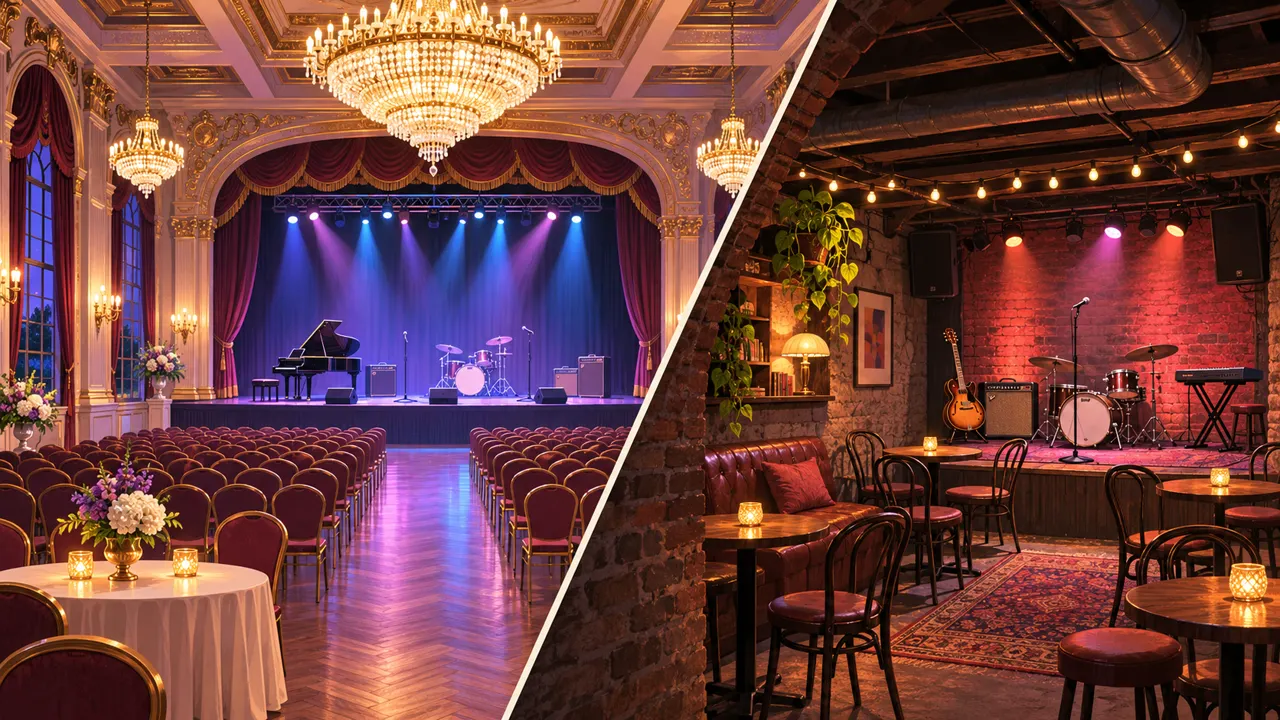
Production footprint details show the Ballroom can handle touring acts with significant gear requirements. The stage depth and wing space allow for full band setups with multiple instrument changes, drum risers, and amplifier configurations. Headliners who travel with their own sound engineers and lighting designers typically choose this room when routing through Boise. The production capabilities also mean you might see more elaborate visual elements during performances, from synchronized light shows to video walls, depending on what each artist brings to their tour.
Find the right event date
Upcoming events to compare
Open an event to check its date and see the seating information for that performance or game.


Basement Atmosphere and Scale
The Basement provides a more compact setting that changes the entire dynamic of a show. Underground venues create a different energy than street-level or elevated spaces, with lower ceilings and closer walls intensifying sound and crowd interaction. Artists who prefer intimate connection with their audience often specifically request basement-style rooms when booking tours.
The smaller footprint means every spot in the room offers a relatively close view of the stage compared to larger halls. You won't find yourself hundreds of feet from the performance, though sightlines can vary depending on crowd density and your height relative to those around you. The trade-off for proximity is reduced overall capacity, so popular acts in the Basement may sell out faster than similar shows in the Ballroom. The underground setting also tends to get warmer as the room fills, something to consider when choosing your outfit for the evening.
Checking Event-Specific Age Policies
Age restrictions at Shrine Social Club depend on the individual event rather than the room itself. The same space might host an all-ages matinee and an 21-plus evening show on consecutive days. Policies typically reflect the performer's preferences, the type of event, and sometimes alcohol service considerations. Never assume that because you attended an all-ages show in the Ballroom last month, your next Ballroom event will have the same policy.
Ticket listings should display age requirements prominently, but double-checking with the venue directly provides certainty before you commit to purchase. If you're planning to bring someone under 21 or coordinating a group with mixed ages, confirming the policy prevents disappointment at the door. Some events allow minors with guardian accompaniment, while others maintain strict age minimums regardless of supervision. The venue staff can explain the specific rules for your show and clarify whether any special accommodations exist for particular circumstances. The Boise all-ages concert guide shows how to verify an event's admission rules before buying.
Determining Audience Access Features
Information about how audiences enter and move through each space requires direct communication with the venue. While technical specifications may reference load-in points and backstage access for equipment, these details don't necessarily correspond to audience pathways. Production crews often use separate entrances, freight elevators, or reinforced flooring that has no connection to where ticket holders enter or how they navigate the space.
If you need specific accessibility accommodations, contacting Shrine Social Club before purchasing tickets ensures the room hosting your event meets your requirements. Details about stairs, elevator access, designated wheelchair spaces, companion seating, and accessible restrooms vary by room and may affect which shows work best for your situation. The venue staff can describe the layout of the specific space and help you understand what to expect when you arrive. Asking these questions in advance, rather than making assumptions based on partial information, leads to better experiences for everyone in your group.
Reading the Official Calendar
The Shrine Social Club calendar distinguishes between Ballroom and Basement events in its official listings. When browsing upcoming shows, you'll see the room name attached to each event entry. This labeling system helps you track which space hosts the artists or events you're interested in and allows you to develop preferences based on past experiences.
Some calendar platforms let you filter by venue room, making it easier to see all upcoming Ballroom shows or all Basement events separately. This feature helps if you've discovered you prefer one space over the other for particular genres. Tracking both calendars also reveals booking patterns, like which types of acts typically play which room, though these patterns can shift based on routing, guarantees, and artist preferences. The separate listings also mean you can set alerts for new shows in your preferred space without getting notifications about events in the other room. The Boise weekend concert guide is a useful next stop if either room works for your group.
Making the Choice Between Rooms
Your choice between Ballroom and Basement shows often comes down to the specific artist or event rather than the room itself, since performers typically play only one space per visit. However, understanding the differences helps you set expectations and plan accordingly. If you've bought tickets to a Ballroom show, you know you're entering a larger space with a traditional stage setup. Basement tickets mean a more intimate underground experience with the performer closer throughout the set.
Some concertgoers develop strong preferences based on genre or group size. Bigger productions with elaborate staging make full use of the Ballroom's capabilities, while stripped-down acoustic sets or electronic acts might feel more impactful in the Basement's compact quarters. Consider who you're attending with as well. Groups who want to stay together more easily might prefer the Basement's smaller footprint, while friends comfortable splitting up to explore different vantage points might enjoy the variety of positions available in the larger Ballroom.
Neither room offers an objectively better experience. The value comes from matching your expectations to the reality of the space. A sold-out basement show creates electric energy but also means navigating crowds and limited personal space. A Ballroom concert might offer more room to move but can feel less connected if the crowd doesn't fill the capacity. Knowing which room you're headed to helps you mentally prepare for the type of night ahead.
Arrival and Entry Logistics
Planning your arrival time works differently depending on whether general admission or reserved seating applies to your specific event. The room designation doesn't determine ticketing format, as both spaces can host either assigned seats or open standing areas depending on how the event is configured. Check your ticket type when planning how early to arrive.
The shared building means parking and outside queuing areas serve both rooms, though entry points may differ once you're inside. During nights when both spaces host events, the lobby or entrance area might be busier than usual with crowds for two separate shows. Door times listed on your ticket refer to when that specific event's check-in begins, not necessarily when the building opens. Arriving significantly early doesn't always guarantee better positioning, especially for reserved seating events where your spot is predetermined. For general admission shows in either room, arriving closer to the stated door time usually provides the best balance between securing a good spot and minimizing wait time outside. To compare other local layouts, use the Boise seating chart directory. If you are flexible about the kind of show, see what else is coming up in Boise before settling on a date.
Before you head out
Questions, answered
Can I buy a ticket for the Ballroom and watch a show in the Basement instead?
No, tickets are valid only for the specific room and event listed on your purchase. The Ballroom and Basement operate as separate venues with different shows, so your Ballroom ticket won't grant access to a Basement event happening the same night or any other time. Always purchase tickets for the specific show and room you want to attend. Details ↗
How do I find out which room has better sound quality?
Sound quality depends more on the individual show's sound engineer and equipment than the room itself. Both spaces host professional productions with appropriate audio systems for their size. If sound characteristics matter significantly to you, contact the venue to ask about the acoustic properties of each room, though the specific band or performer's mixing choices will ultimately shape what you hear during any given show. Details ↗
Does the Basement allow re-entry if I need to step outside?
Re-entry policies vary by event rather than by room, and they can change based on the specific show's requirements. Contact Shrine Social Club directly before your event to confirm whether re-entry will be permitted for your particular show. Some events allow it with hand stamps or wristbands, while others maintain no re-entry policies throughout the evening. Details ↗
Sources & References
Event details and visitor information checked 2026-11-05. Check the venue's current guidance before you travel.


