Boise Live Music Guides
A First-Timer’s Guide to the Boise Live Music Scene
Boise has developed a music scene that punches well above its weight for a city of its size. Whether you prefer indie rock in intimate clubs or larger touring acts in seated venues, understanding the differences between the main live music spots helps you choose shows that match your style. The venues range from small bars where you might brush shoulders with the band to established theaters with professional sound systems and organized seating. Each location brings its own atmosphere, booking philosophy, and crowd experience. This guide walks you through what makes each venue distinct so you can navigate Boise's live music offerings with confidence.

Boise's live music venues range from intimate club settings like Neurolux (small capacity, standing room) to mid-sized spaces like Knitting Factory and The Egyptian (mixed seating and standing), plus the multi-venue Treefort Music Festival each March. Choose based on your preferred artist size, whether you want seats or standing room, and your comfort level with crowds.
Browse Boise concerts →Understanding Boise's Venue Landscape
Boise's music venues fall into three general categories that serve different purposes. The smallest clubs book emerging artists and local acts, creating experiences where you stand close to the stage and the energy runs high. Mid-sized venues bring in regional and national touring acts that have solid followings but haven't quite reached arena status. Then there are special events like festivals that transform multiple locations simultaneously.
The distinction matters because it affects everything from ticket prices to how early you need to arrive. A show at a small club might have general admission tickets available at the door, while a bigger venue often requires advance purchase and assigned seating. Your choice depends on whether you prioritize discovering new music in raw settings or seeing established acts with better sightlines and sound quality.
If you already know the sound you want, explore indie rock shows, Boise country concerts, hip-hop bills and heavy shows. For a seated night, compare classical concerts with jazz and blues.
Pick your next Boise show
Upcoming events to compare
Open an event to check its date and see the seating information for that performance or game.


The Small Club Experience
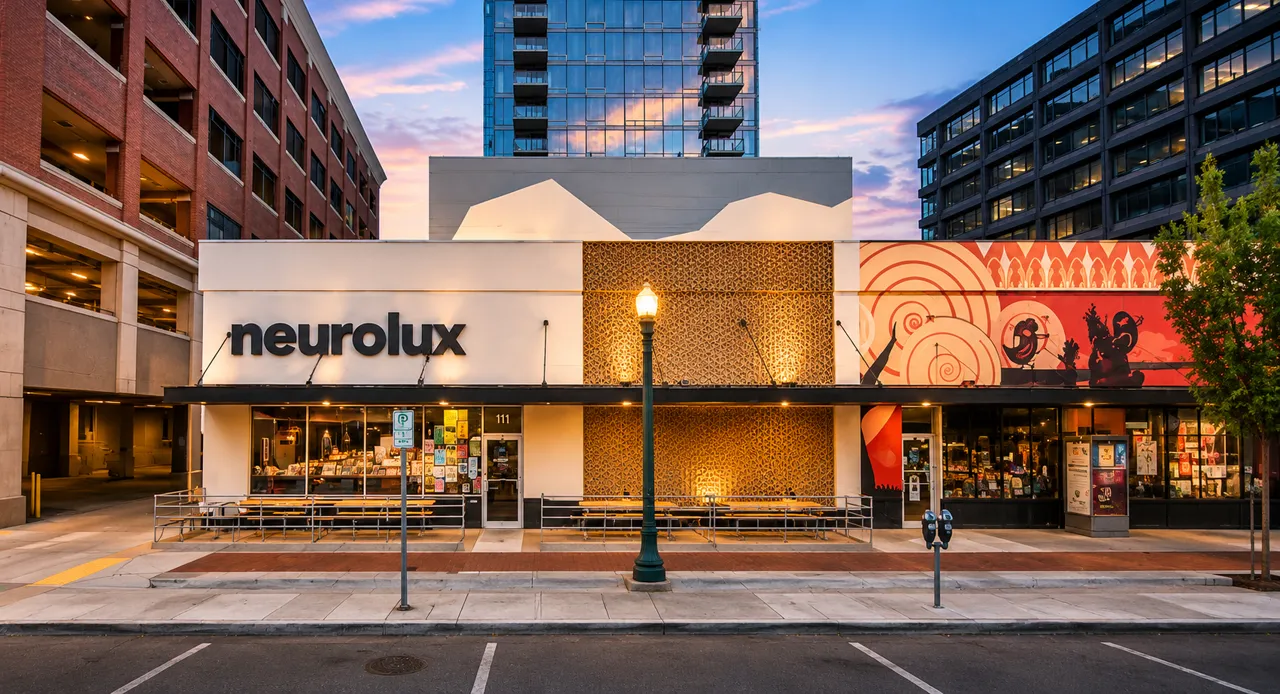
Neurolux represents the intimate end of Boise's music spectrum. This downtown venue books indie rock, punk, electronic acts, and experimental musicians who thrive in close quarters. The space puts you near enough to see guitar pedals and drum techniques clearly. Shows here typically mean standing room throughout the night, so comfortable shoes matter more than they would elsewhere.
The trade-off with small venues involves both advantages and challenges. You get an authentic connection with performers and often meet other music fans who share specific tastes. The atmosphere feels more like a community gathering than a commercial entertainment experience. However, limited space means popular shows sell out quickly, and if the opening act doesn't interest you, there might not be comfortable places to wait. Sightlines depend heavily on your height and how early you claim your spot.
The Knitting Factory's Touring Act Focus
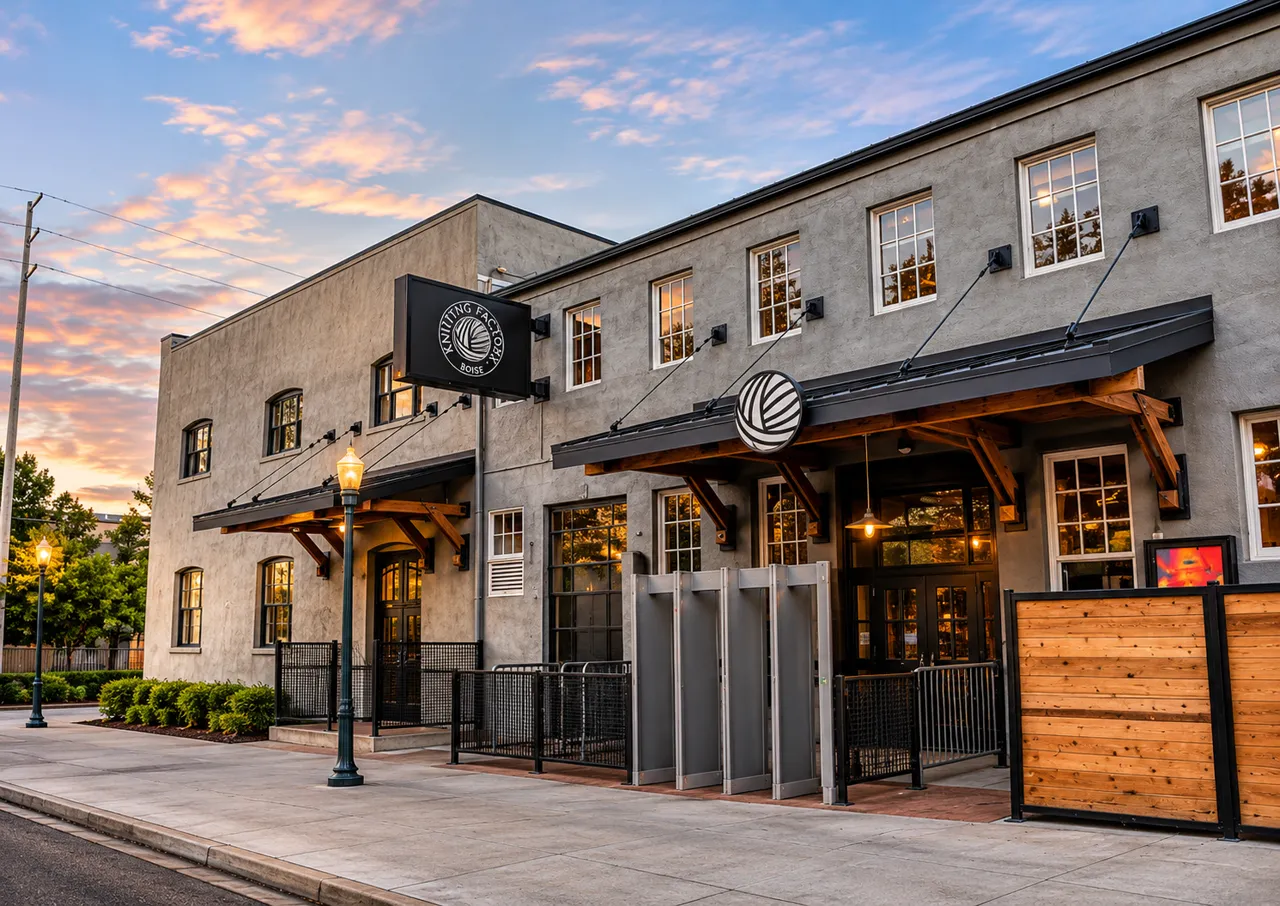
Knitting Factory caters to a different segment of the touring circuit. This venue books acts that have moved beyond club stages but aren't filling large theaters yet. The layout typically offers both standing room near the stage and some elevated areas. The sound system and stage production values exceed what smaller clubs can offer.
This venue works well when you want a concert experience with some infrastructure behind it. There's usually a proper box office, security staff, and organized entry procedures. The booking calendar leans toward rock, alternative, hip-hop, and comedy shows. Because the space accommodates more people than intimate clubs, tickets sometimes remain available closer to show dates, though popular acts still sell out. The larger capacity also means you might not feel the same connection with performers that small clubs provide, but you gain better facilities and production quality.
The Egyptian Theatre's Historic Setting
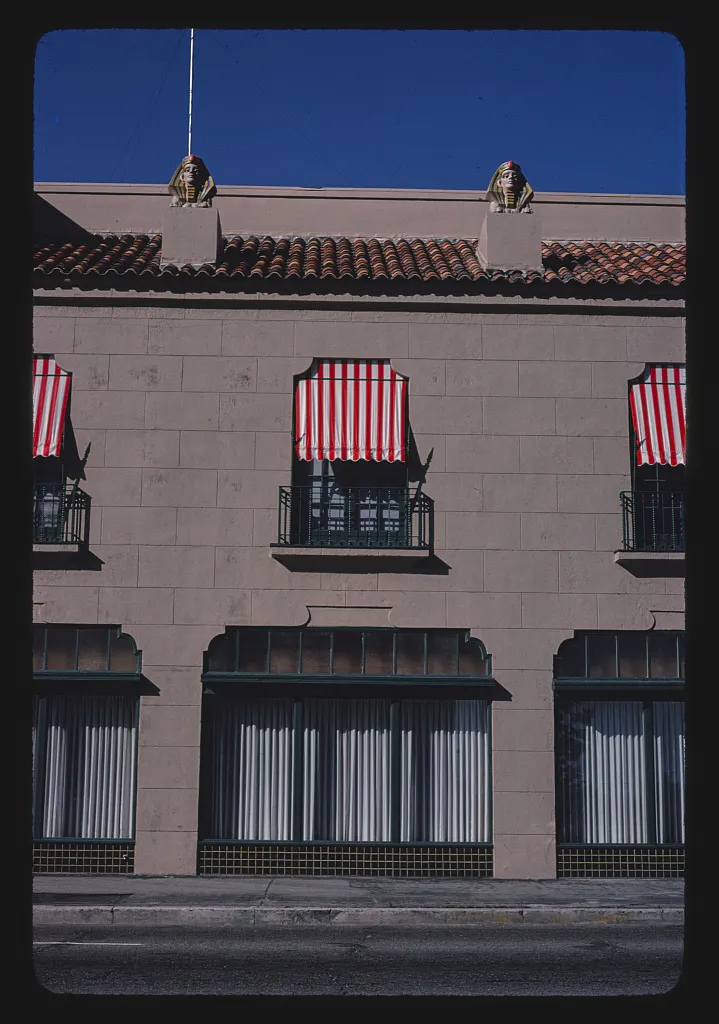
The Egyptian brings architectural character to the concert experience. This historic theater offers actual seats, which fundamentally changes the nature of attending a show. You can sit down between sets, and sightlines follow traditional theater design rather than whoever happens to stand in front of you.
The venue books a mix of concerts, comedy, and special events. The seated format works particularly well for acoustic performances, singer-songwriters, and shows where you want to focus on musicianship rather than crowd energy. The historic building itself adds atmosphere that modern venues can't replicate. However, the formal seating arrangement creates a different social dynamic. You won't move around freely or dance as easily as you would in a standing-room venue. The experience feels more like attending a performance than participating in a scene. Start with the Egyptian Theatre live music guide to see what is coming up in that room.
ExtraMile Arena for Bigger Shows
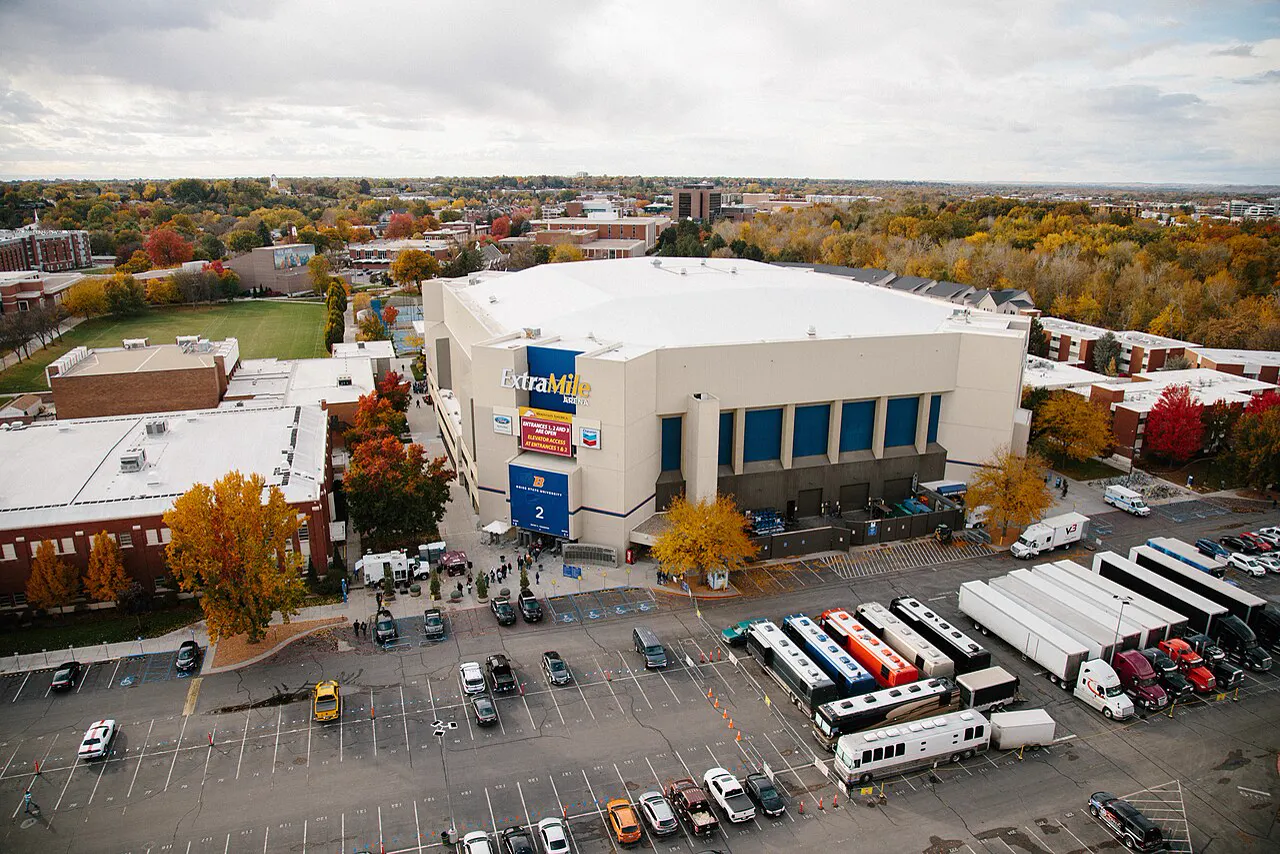
When major touring acts come through Boise, they often land at ExtraMile Arena on the Boise State campus. This space handles the largest concerts the city sees, with full arena production capabilities. The scale creates obvious differences from smaller venues in every aspect of the experience.
Arena shows mean assigned seats, significant advance planning, and crowds that number in the thousands rather than hundreds. You'll deal with parking logistics, longer security lines, and considerable distance from the stage unless you invest in premium tickets. The sound quality in arena settings can be excellent but varies dramatically based on where you sit. These shows work best when you prioritize seeing a specific major artist over intimacy or discovering new music. The production values and spectacle exceed anything smaller venues offer, but you sacrifice the personal connection and spontaneity that define club shows.
The Shrine Social Club Alternative
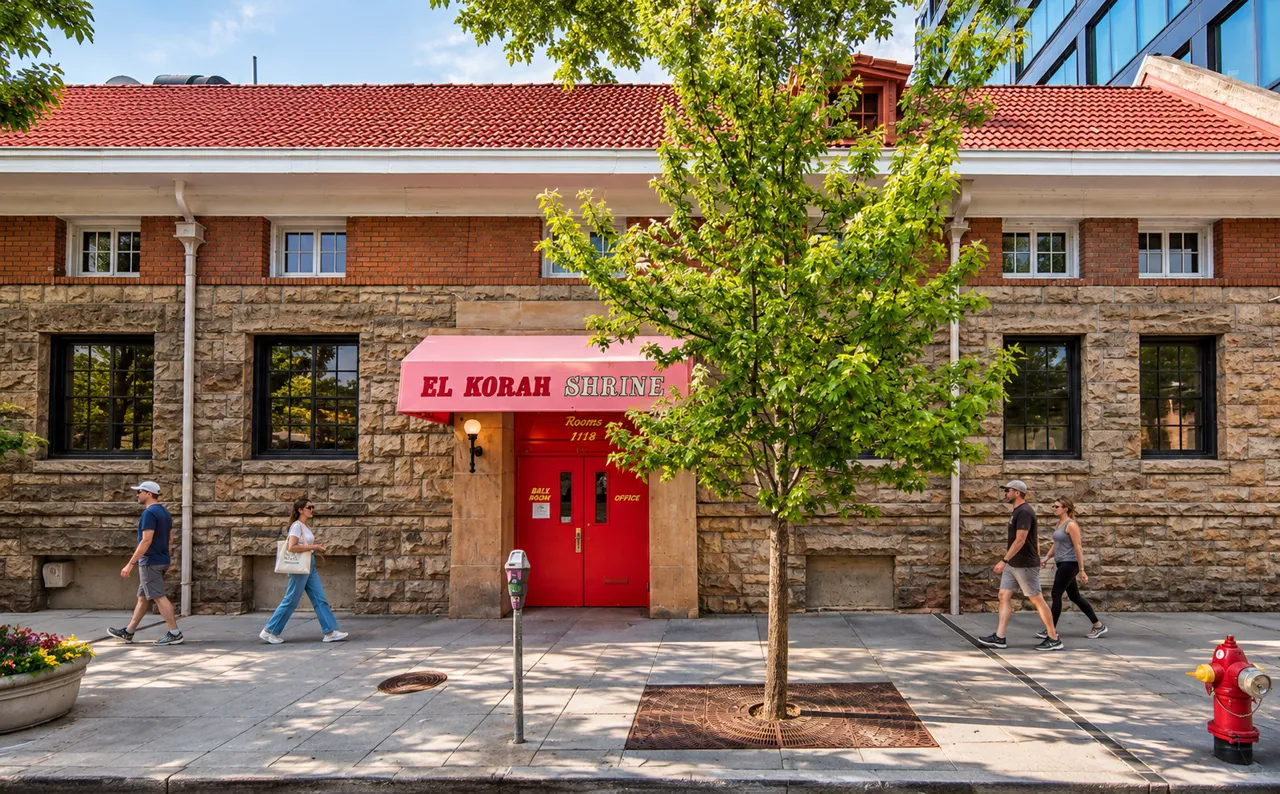
The Shrine adds another option to Boise's venue mix with a focus on social club atmosphere alongside music. This space blends live performances with a bar and gathering environment. The setup accommodates both concerts and DJ nights, creating flexibility in how the space gets used.
Shows here often emphasize the social experience as much as the music itself. It's a venue where you might spend time talking with friends between songs rather than maintaining intense focus on the stage. This approach works well for certain genres and artist types but might frustrate you if you want an audience that stays quiet and attentive. The venue attracts crowds looking for a night out that happens to include live music rather than music fans seeking the purest possible concert experience. The Shrine Ballroom and Basement comparison explains how to tell which room is listed on your ticket.
Treefort Music Festival's Unique Model
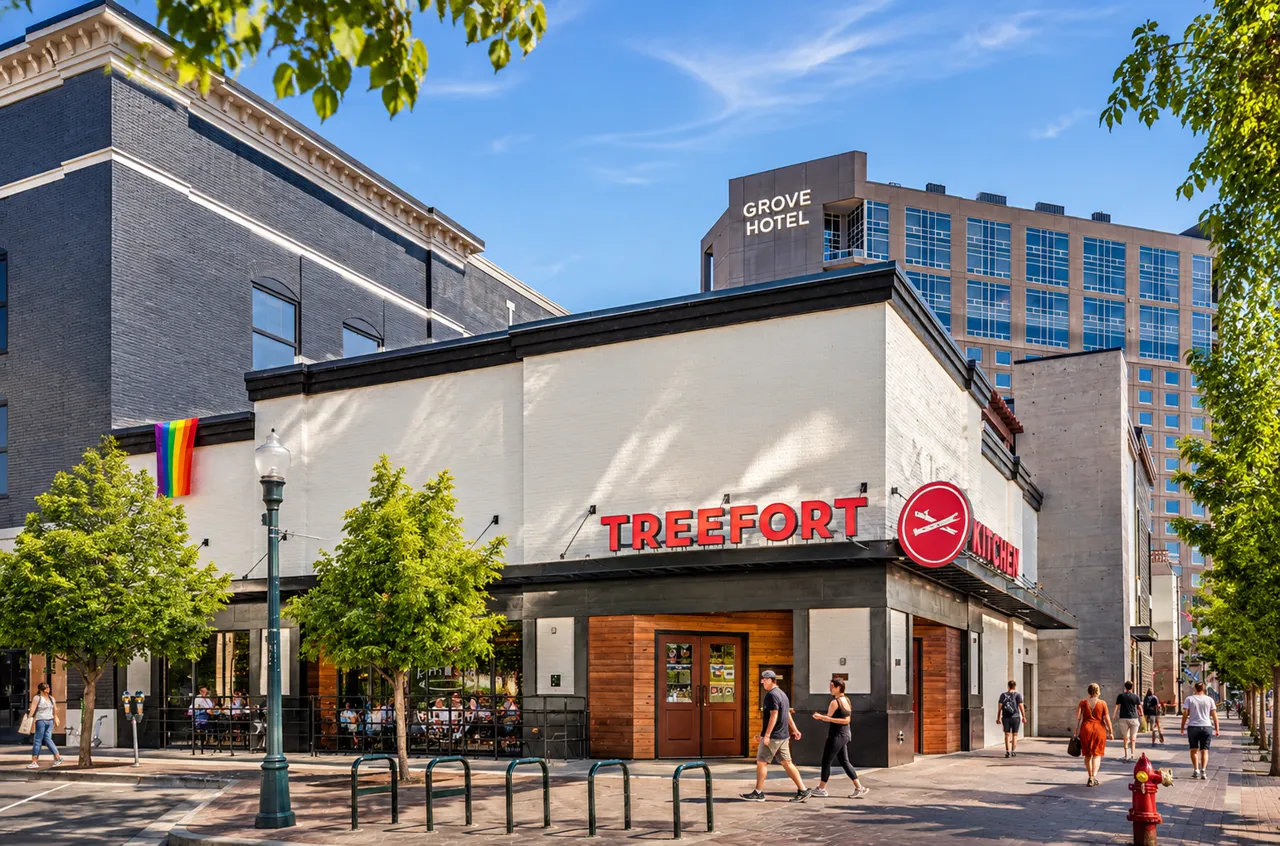
Treefort Music Hall hosts shows year-round. The festival itself spans multiple venues.
Treefort takes a completely different approach by transforming multiple venues simultaneously each March. The festival books hundreds of acts across various locations throughout downtown Boise. A festival pass gives you access to shows at participating venues, from tiny bars to larger spaces, all within walking distance.
The festival model offers extraordinary value if you want to see many acts in a short time. You can venue-hop throughout the day and night, catching different artists and comparing spaces. It's an efficient way to experience Boise's music infrastructure all at once. The challenges include scheduling conflicts when acts you want to see play simultaneously, crowded venues during popular sets, and the physical stamina required to attend multiple shows daily. Festival crowds also differ from regular concert audiences because many attendees prioritize the overall experience over specific artists.
Matching Venues to Your Preferences
Choosing the right venue starts with honest assessment of what you value in a concert experience. Do you want to discover emerging artists or see established performers? Does standing for hours bother you, or do you find seated venues too restrictive? Will you attend alone or with a group that wants to talk between songs?
Your tolerance for crowds, noise levels, and unstructured environments should guide your choices. Someone who loves the energy of packed clubs pressing close to the stage will find seated theaters boring. Someone who values clear sightlines and the ability to sit when tired will find small standing-room venues exhausting. There's no universally best option, only venues that match different priorities. Try different spaces over time to learn which environments enhance your enjoyment of live music rather than detracting from it. Compare dates and ticket options in the Boise concert listings. If you are flexible about the kind of show, see what else is coming up in Boise before settling on a date.
Before you head out
Questions, answered
Should I buy tickets in advance or at the door?
Smaller venues sometimes offer door sales, but advance purchase guarantees entry and often costs less. For mid-sized and larger venues, advance tickets are essentially required for any show with significant buzz. Check the venue's typical sales patterns for the genre and artist size you're interested in. Details ↗
How early should I arrive at different venue types?
Small clubs with general admission benefit from arriving when doors open if you want a good spot, though you'll stand through opening acts. Seated venues allow later arrival since your seat is reserved. Festival settings require strategy about which acts matter most to you since you can't see everything. Details ↗
Can I bring a bag or camera to shows?
Policies vary by venue and sometimes by specific show based on artist requirements. Smaller venues generally allow small bags but prohibit professional cameras. Larger venues often restrict bag sizes and always prohibit recording devices. Check the specific venue's policy before attending. Details ↗
Sources & References
Event details and visitor information checked 2026-11-05. Check the venue's current guidance before you travel.


